Crown or Filling? How Your Dentist Decides
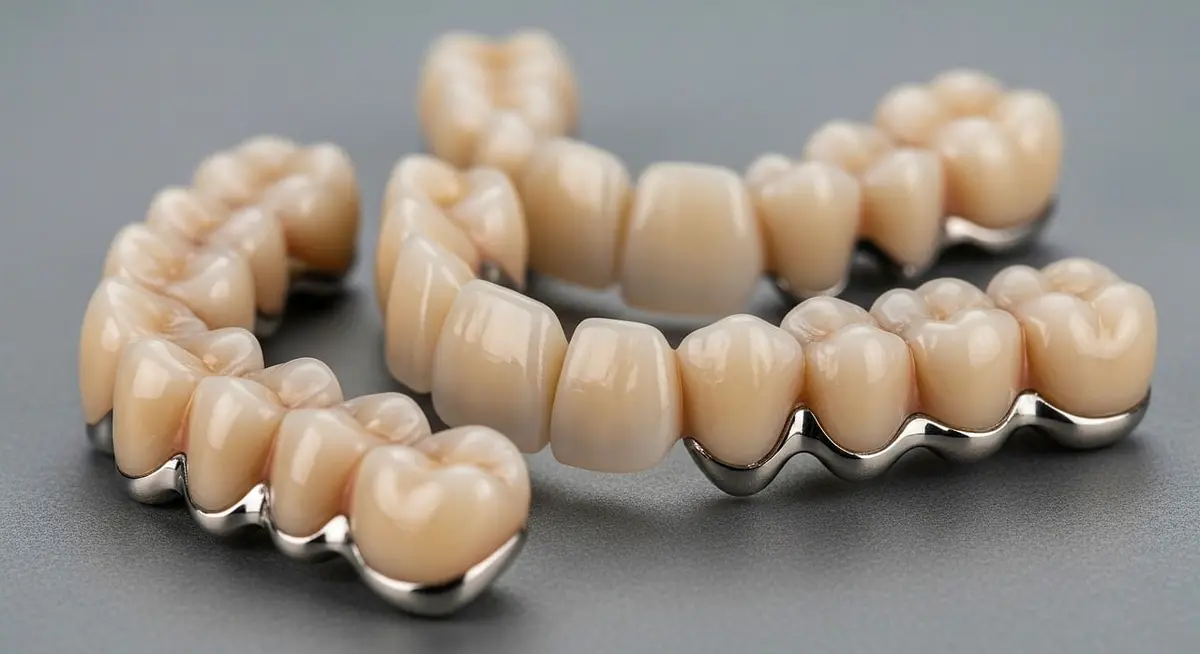
When a tooth has decay or damage, the two most common fixes are a filling and a crown. Which one you need mostly comes down to how much healthy tooth is left.
When a filling is enough
A filling repairs a small to medium cavity. The dentist removes the decay and fills the space with a tooth-colored composite. Fillings are usually done in one visit and preserve as much natural tooth as possible.
When a crown is the better choice
If a cavity or crack is large, the remaining walls of the tooth can be too thin to support a filling. Biting can then split the tooth. A crown covers the entire visible tooth like a cap, holding it together and protecting it.
- The tooth is cracked or broken
- An old filling is very large or keeps failing
- The tooth has had a root canal, which can make it more brittle
- The tooth is badly worn from grinding
Cost and longevity
Fillings cost less up front and are quicker to place. Crowns take two visits and cost more, but they protect a weak tooth from breaking, which can prevent the need for a root canal or extraction later. With good care, crowns commonly last 10 to 15 years or longer.
The bottom line
A good dentist will choose the most conservative option that will actually last. At Grigg Dental, Dr. Grigg shows you your X-rays and photos, explains why he’s recommending a filling or a crown, and gives you an estimate before any work begins.
Related pages
Prefer to talk?
Call us at (336) 274-1549. We’re happy to answer questions about treatment, insurance or our in-office membership.
- New patients of all ages welcome
- In network with Delta Dental Premier, Health Team Advantage and Liberty Dental
- Membership available if you don’t have insurance
Request an appointment
Tell us a little about yourself and we’ll call you to find a time. For emergencies, please call.
Please don’t include health details in this form. We’ll go over those privately by phone.